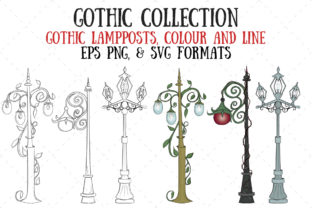
Gothic Lampposts: A Designer’s Take on Eerie Embroidery Appeal
As an embroidery designer who’s worked with countless themes and motifs, I always approach a new design with both curiosity and caution. The Gothic Lampposts set immediately caught my eye—not just for its visual intrigue but for how it could elevate the storytelling of any project. These are not your average lampposts; they’re magical, mysterious, and rich in detail. Whether you're working on custom apparel or spooky-themed handmade products, this design has potential—but only if you know where to place it and how to handle it properly.
First Impressions: Atmosphere Over Simplicity
The first thing that stands out about Gothic Lampposts is their strong thematic presence. Each of the three lamppost designs feels like a scene from a haunted forest or a forgotten village—perfect for creating a moody backdrop. The line drawing versions offer clean, intricate silhouettes that can be stitched in monochrome for subtle elegance, while the color versions pop with deep purples, blacks, and reds that scream Halloween-ready. As an experienced reviewer, I look beyond the colors and into the structure: these illustrations have excellent layout balance, which makes them versatile for larger embroidery areas.
What also impressed me was the level of detail in each lamppost. There are ornate ironwork patterns, flickering candle flames, and even some creeping ivy or ghostly mist elements. This kind of complexity works well for projects where you want to create a sense of depth and fantasy without overcomplicating the overall design. However, it's important to note that such detail requires careful handling, especially when considering fabric type and stitch density.
Real-World Use Cases for Gothic Lampposts
I’ve tested similar designs on various substrates and applications, so I know how critical it is to match the right motif to the right product. Here’s how Gothic Lampposts might perform in real-life embroidery scenarios:
- Tote bag design: The lampposts would work beautifully as central graphics on a large canvas tote. Their scale and visual weight make them ideal for turning a plain bag into a statement piece.
- Sweatshirt embroidery: On the front or back of a hoodie, these lampposts add character and theme. They’re perfect for niche audiences who love fairytale horror or steampunk aesthetics.
- Baby items: While the design leans towards spooky, the line drawings can be softened by choosing muted thread colors and used subtly on a nursery wall hanging or baby blanket.
- Embroidered patch: The smaller scale and texture of a patch require careful consideration. The line versions may suit better here due to the need for clarity and compact stitching.
- Pillow covers & tea towels: These home décor and kitchen items benefit from bold imagery. Gothic Lampposts could serve as a striking focal point, especially when paired with other complementary design assets.
- Holiday gifts & boutique branding: For seasonal Etsy listings or themed small shop merchandise, these lampposts can give your products a unique edge. Think of Halloween aprons or personalized gift tags.
Overall, Gothic Lampposts are most effective when used on mid-to-large-sized embroidery areas where their intricate details can shine. They bring a sense of narrative and visual interest that’s hard to find in generic machine embroidery designs.
Where to Use With Care
Despite their charm, there are limitations to consider before stitching these onto every surface. Here are some practical insights based on real-world embroidery challenges:
- Small hoop sizes: The elaborate nature of these illustrations means they won’t fit well in tiny hoops. Always confirm the recommended hoop size before starting a project like a cap or hat.
- Textured or stretchy fabrics: If you're using these on knits or denim, expect distortion in the fine lines. Stabilizer is key here, but even then, results may vary.
- Dark fabric backgrounds: The color versions rely heavily on contrast. Stitching them on black or navy fabrics could reduce visibility unless you use lighter thread colors.
- Layered garments or curved surfaces: Patches or embroidered caps might show uneven stitching because of tension issues. Always test the design on a mockup first.
- Dense stitch areas: The intricate detailing means high stitch density. Without proper stabilizer or pre-washing, some parts might pucker or distort after multiple washes—especially on items like sweatshirts or baby clothes.
These considerations aren't meant to discourage but to guide. Like many digital embroidery files, Gothic Lampposts thrive in the right conditions and can fall short if ignored. Treat them like any other premium graphic asset and they’ll reward you with stunning results.
Design Impact: From Visual Appeal to Brand Recognition
When evaluating a design for commercial or personal use, I think beyond the needle and thread—I consider how it affects customer perception and product value. Gothic Lampposts brings a distinct visual personality that can help differentiate your handmade product or craft business offering.
On custom apparel, especially sweatshirts or tote bags, these lampposts can become signature elements of your brand. They lend themselves well to design assets that support a cohesive collection—think of pairing them with bats, ravens, or haunted house outlines. The consistent style across all three lampposts helps maintain a unified look, which is essential for brand consistency in an Etsy listing or boutique product line.
For personalized gifts, the line drawings can be easily adapted to include names or dates in running stitch or satin lettering. But be mindful of the space needed around the design. You don’t want the text to feel cramped against those detailed bases.
In terms of giftability, these designs score high for holiday embroidery and spooky season marketing. The dramatic shapes and shadowy vibe evoke a strong emotional response, which can boost buyer engagement and increase the perceived professionalism of your finished product.
Designer Notes: Practical Tips Before You Stitch
Before committing to a full production run or stitching Gothic Lampposts on a client’s favorite hoodie, take these steps to ensure success:
- Test on scrap fabric: Especially if you're planning to stitch the color version. Different thread combinations can change the final look significantly.
- Check thread color contrast: Dark lampposts won’t stand out on dark fabric. Consider using light threads like ivory or cream for maximum visibility.
- Review stitch density: High-density fill stitches can cause puckering. Adjust settings or add cutaway stabilizer for best results.
- Confirm hoop size: Don’t assume the design fits your standard hooping area. Check dimensions carefully and resize if necessary.
- Inspect small details: The lamp flames and vines are delicate. Make sure your machine can handle tight curves and corners without skipping stitches.
- Use black and white mockups: To see how the line drawings will appear when converted to grayscale or when using limited thread palettes.
- Compare light and dark backgrounds: Try the same design on both white and black fabric to assess how thread choices affect visibility and mood.
- Use proper stabilizer: Especially on thin or stretchy materials. A tear-away or cutaway stabilizer can save you from post-stitching disasters.
- Verify licensing: If you're planning to sell the finished product or digital files, make sure the license allows commercial use. This is crucial for craft businesses and digital product sellers.
By following these steps, you’ll avoid common pitfalls and get the most out of this powerful illustration set.
Final Thoughts: A Design That Demands Respect
Gothic Lampposts isn’t just another embroidery file—it’s a story starter, a mood setter, and a great addition to your design toolkit for spooky-themed or fairytale-inspired projects. When used correctly, it enhances the visual appeal of your finished product, supports customer trust through professional presentation, and adds a layer of uniqueness that sets your craft apart.
However, its complexity means it’s not a one-size-fits-all solution. It thrives in larger formats, on stable, medium-weight fabrics, and in projects where the design can breathe and tell its tale. Avoid pushing it onto small patches or stretchy materials without testing, and always double-check the licensing if you're planning to resell the design or incorporate it into a digital embroidery file for your Etsy shop.
If you're looking to inject a bit of drama and fantasy into your next embroidery project, this set offers a compelling blend of artistry and adaptability. Just remember to treat it with the care it deserves—and your customers will thank you for it.