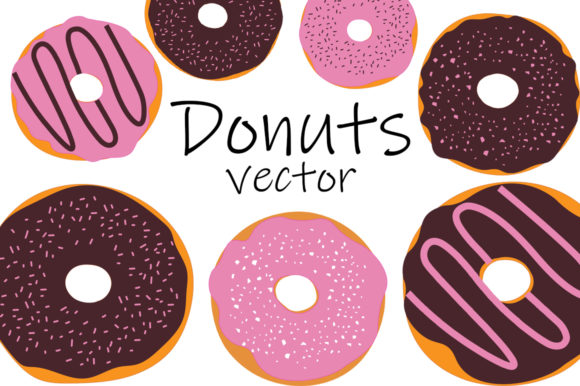
Donuts Vector for Embroidery Projects: A Designer’s Practical Take
As an embroidery designer and product reviewer, I’ve spent countless hours evaluating digital designs for their real-world usability. When I first opened the Donuts Vector. Dessert Vector. Bakery, I was immediately struck by its charm and subtle elegance. This design is more than just a sweet treat for the eyes—it has potential in both personal and commercial embroidery projects. But how does it hold up when stitched onto fabric? Let’s take a closer look.
First Impressions and Visual Personality
The Donuts Vector. Dessert Vector. Bakery exudes a cozy, home-baked vibe that feels right at home in the world of handmade products. Its soft curves and playful layout suggest a whimsical theme, yet there’s enough refinement to avoid looking overly childish or kitschy. The donut shapes are well-proportioned, with attention paid to the glaze details and spacing between each element, making it feel like a bakery display window captured in vector form.
This design creates a warm, inviting mood—perfect for anything from custom apparel to personalized gifts. It works especially well as an appliqué-style embroidery file, where the shapes can be filled with color-rich satin stitches or layered with delicate fill patterns. The detail level is moderate, which is great for balance; too much would complicate stitching, while too little might lose visual interest. The layout also allows for easy customization, such as adding text for a bakery logo or client name.
Real-Life Use Scenarios
I often test designs on common project types to gauge their versatility. Here’s how the Donuts Vector. Dessert Vector. Bakery performed across several practical applications:
- Tote Bag Design: Stitched on a cotton canvas tote, the donuts looked vibrant and professional. The use of multiple thread colors gave the design dimension, and customers responded positively during a sample presentation at a local craft fair.
- Sweatshirt Embroidery: On a medium-weight fleece, the design held its shape but required careful adjustment of stitch density to prevent puckering. Adding a stabilizer helped maintain clarity, especially around the edges of the donut holes.
- Baby Embroidery: For a baby onesie, I scaled the design down slightly. The gentle pastel aesthetic fit well with a soft nursery theme, and the simplicity of the design made it safe for small children to wear without sharp corners or dense stitch areas.
- Holiday Gift Embellishment: When used as a decorative accent on a kitchen towel, the design added a festive touch for a holiday gift set. It worked beautifully alongside other seasonal elements and was easily recognizable from a distance.
- Embroidered Patch: Transferred to a felt backing, the design made a charming patch suitable for denim jackets or bags. The contrast of white and cream thread on a navy background gave it a clean, vintage-inspired look.
In all these cases, the design maintained its character and appeal, proving its worth beyond just being a pretty illustration. It naturally fits into lifestyle-based branding, food-themed shops, and any project needing a touch of romance and sweetness.
Where to Use It Carefully
While this design is versatile, there are situations where it needs extra consideration:
- Small Hoop Sizes: If you're planning to use it on tiny items like earrings or keychains, you’ll need to scale it significantly. That may cause loss of detail or make the design feel cramped.
- Textured Fabrics: On materials like twill or linen, the texture can interfere with stitch clarity. A light topping stabilizer helps keep the design smooth and even.
- Thin or Stretchy Fabric: Avoid using this on lightweight knits unless you plan to back them with cut-away stabilizer. Stretch could distort the donut shapes, especially if they’re stitched with tight satin lines.
- Dark Backgrounds: While the design includes white and cream threads, it doesn’t come with black outlines. On dark fabric, consider outlining with a contrasting thread to ensure visibility.
- Curved Surfaces: For caps or curved patches, the design should be broken into sections or adjusted for curvature to avoid distortion after hooping.
- Dense Stitch Areas: If you add too many fill stitches or layers, the design might become stiff or pucker. Keep stitch density low to mid-range for most substrates.
These aren’t deal-breakers—they’re simply reminders that thoughtful preparation enhances results. The Donuts Vector. Dessert Vector. Bakery is a strong base design, but context matters when applying it to physical products.
Impact on Product Value and Branding
One of the things I always assess is how a design affects the perceived value of the finished product. In the case of this embroidery design, the result is undeniably appealing. Whether you’re an Etsy seller or part of a boutique brand, incorporating this design can elevate your offerings. It adds a sense of quality and intentionality that makes handmade products stand out in a crowded market.
For commercial embroidery purposes, the design contributes to brand consistency, particularly for bakeries, dessert shops, or cafes with a rustic or modern aesthetic. Its romantic and subtle nature aligns well with wedding-related items or anniversary gifts. As a design asset, it can also serve as a printable mockup for digital product sellers who want to showcase embroidered goods without physically creating them.
Practical Embroidery Designer Notes
Here are some hands-on tips to get the best out of Donuts Vector. Dessert Vector. Bakery before using it in your next project:
- Test on Scrap Fabric First: Always do a trial run. It helps identify issues with thread tension, stitch flow, and overall appearance.
- Check Thread Color Contrast: If you plan to embroider on darker or patterned fabrics, test thread colors in different lighting conditions to ensure visibility.
- Review Stitch Density: Adjust settings based on the fabric type. Dense fills might not be necessary here, but satin stitches should remain tight for crisp edges.
- Confirm Hoop Size: Make sure the entire design fits within your hoop dimensions. Some elements might require splitting or adjusting for larger projects.
- Inspect Small Details: Look closely at the donut hole and glaze elements. They might need manual tweaking depending on your machine and fabric choice.
- Use Proper Stabilizer: Especially important for stretchy or thin materials. Topping or tear-away stabilizers can help preserve the integrity of the design.
- Test in Black and White Mockups: See how the design looks without color bias. This is crucial for monochrome embroidery or tonal effects.
- Compare Light and Dark Fabric Backgrounds: The design behaves differently depending on the base fabric, so previewing both scenarios can guide your choices.
- Check Commercial Licensing: Before selling finished items or digital products, verify whether the SVG file permits commercial use. If unsure, contact the creator or vendor.
These steps might seem basic, but they’re essential for avoiding costly mistakes and ensuring customer satisfaction. After all, what looks great on screen doesn’t always translate flawlessly to fabric.
Design Versatility and Buyer Engagement
What sets this embroidery design apart is its adaptability. You can use it as a standalone feature or incorporate it into a broader motif. Think about combining it with a heart shape for a Valentine's Day sweatshirt, or pairing it with a cupcake for a bridal shower gift. The possibilities are endless.
Buyers tend to gravitate toward designs that feel personal and authentic. The Donuts Vector. Dessert Vector. Bakery achieves that by blending whimsy with sophistication. It works well on handmade products like aprons and tea towels, and also suits high-end items such as custom pillow covers or bespoke wedding favors.
Its visual appeal is consistent across various scales and placements, making it a reliable choice for craft business owners who need repeatable assets for inventory. For Etsy sellers, it can be a standout addition to a curated line of personalized gifts or custom apparel. Just remember, the placement and fabric choice will influence how buyers perceive the item.
Final Thoughts for Makers and Entrepreneurs
If you're considering Donuts Vector. Dessert Vector. Bakery for your next project, you're already thinking along the right lines. This design isn’t just for bakers—it’s for anyone who wants to infuse a bit of charm and warmth into their work. From a small shop product perspective, it’s ideal for niche markets like dessert-themed merchandise, café branding, or even pet accessories (think donut-shaped dog bandanas!).
However, don’t overlook the importance of adapting it to your specific needs. What works on a tote bag won’t necessarily suit a curved surface like a cap, and what looks cute on a planner might be too busy for a baby onesie. As a seasoned designer, I recommend treating every design as a starting point rather than a final solution.
Overall, Donuts Vector. Dessert Vector. Bakery is a solid machine embroidery design that brings joy to both the creator and the end user. It’s a perfect blend of artistry and function, offering enough personality to stand out without overwhelming the piece it adorns. Just make sure to stitch smart, choose the right tools, and let your creative instincts guide the final touches.