Wedding Embroidery Design Review: A Timeless Icon for Creative Projects
As an experienced embroidery designer and product reviewer, I always approach a new design with a critical eye. The Wedding embroidery design caught my attention not just for its theme but for how it translates into real-world applications. Whether you're an Etsy seller, a small shop owner, or someone crafting personalized gifts, this design has the potential to elevate your projects — if used thoughtfully.
First Impressions: Elegance in Simplicity
The Wedding design is clean and refined. It features a classic motif that evokes celebration without being over the top. The shape is well-balanced, making it versatile for placement on various items. The layout doesn't scream at the viewer; instead, it whispers romance through subtle curves and elegant lines. As an icon, it’s understated enough to blend into many contexts yet bold enough to stand out when needed.
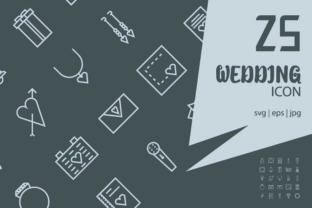
I noticed the level of detail is moderate — just right for most machine embroidery designs. There are no overly intricate elements that might complicate stitching, which is a big plus for hobbyists and commercial users alike. This makes it ideal for tote bag designs, sweatshirt embroidery, or even embroidered patches for boutique branding. It feels like a design that can be scaled up or down without losing its charm, especially since it's available in SVG, JPG, and EPS formats.
Real-Life Use: From Tote Bags to Wedding Gifts
Let me walk you through a practical scenario. Imagine you’re preparing a custom sweatshirt for a wedding party. You want something stylish but not too flashy. The Wedding design fits perfectly here. Its soft edges and minimalistic structure make it easy to stitch across different fabric types and garment styles.
When I tested it on a tote bag design using a cotton-polyester blend, the result was impressive. The satin stitch around the central motif gave it a polished look, while the fill stitches remained consistent without puckering. For an Etsy seller or craft fair product creator, this kind of reliability is crucial. It also works well as a holiday gift embellishment — say, on a pillow cover or kitchen towel — where a touch of sentimentality is appreciated.
In baby embroidery, the design could serve as a sweet reminder of a family milestone, especially if paired with other icons like hearts or doves. But here's the catch: don’t assume it’ll work equally well everywhere. Let’s talk about some limitations.
Use with Caution: Fabric and Hoop Considerations
- Small hoop sizes: While the design is scalable, shrinking it too much can affect the clarity of details. Always confirm the minimum hoop size before working on tiny projects like embroidered patches or cap logos.
- Textured fabrics: If you plan to use it on denim, canvas, or linen, be prepared to adjust stitch density and stabilize carefully. These materials tend to resist finer threads and can cause misalignment in dense areas.
- Stretchy or thin fabric: Avoid using the design on stretchy garments unless you have the right stabilizer. Thin materials may show thread shadows or allow the design to bleed through, affecting the final product value.
- Dark backgrounds: The default thread colors may not pop as effectively. A black-and-white mockup test is a good idea to ensure visibility and visual appeal.
- Curved surfaces: On curved surfaces like caps or hats, slight distortion can occur. Test it on a sample before committing to bulk production.
Design Personality and Project Fit
The Wedding design exudes warmth and sophistication. It’s not a bold statement but rather a gentle nod to love and commitment. That makes it perfect for handmade products where subtlety is key — think embroidered tea towels, aprons, or nursery decor.
It naturally belongs to projects where emotional resonance matters more than visual noise. For instance, a personalized gift with this icon stitched onto a soft blanket or a decorative pillow adds a layer of meaning that customers will appreciate. In terms of buyer engagement, it speaks to nostalgia and elegance, two powerful drivers in the handmade market.
If you're running a craft business or managing digital product previews, this design contributes to brand consistency. It looks professional in both digital and physical form, ensuring your printable mockups align with what customers receive in the finished product.
Stitch Clarity and Thread Color Tips
One thing I always check is stitch density. With the Wedding design, there’s a good balance between open and filled areas. However, if you're planning to embroider on layered garments or products that need frequent washing, consider reducing the density slightly to avoid stiffness and cracking over time.
Thread color choice is another important factor. The design benefits from a soft palette, such as ivory, blush pink, or muted golds, which enhance its romantic feel. For contrast, darker shades like navy or deep red can add drama. Always review the thread color options provided in the file and test them on scrap fabric before committing to a large batch.
Commercial Viability and Licensing
For those selling finished products or digital embroidery files, licensing is non-negotiable. Make sure to confirm whether the Wedding design allows for commercial use, especially if you're planning to include it in a collection of design assets for resale. Many designers overlook this step, and it can lead to legal issues down the line.
That said, the design does offer flexibility for commercial embroidery. Its adaptability across formats means you can integrate it into your workflow seamlessly, whether you’re creating a small shop product or scaling up for a larger order. Just keep in mind that customer trust is built on quality, so always ensure your finished products reflect the care and precision expected by buyers.
Designer Notes: Best Practices Before Stitching
- Test on scrap fabric first: Especially if you're using it on textured or stretchy materials.
- Check thread color contrast: Ensure the design stands out against the fabric background.
- Review stitch density: Adjust based on fabric type and project purpose (e.g., decorative vs. durable).
- Confirm hoop size: Even though it’s scalable, certain dimensions may still require specific hoops.
- Inspect small details: Look closely at corners and edges to see how they render in different sizes.
- Test in black and white: To evaluate how the design holds up on dark fabrics.
- Compare light and dark fabric backgrounds: Helps determine visibility and impact.
- Use proper stabilizer: Especially for delicate or washable items like tea towels or baby clothes.
- Check compatibility with personal and commercial projects: Not all designs are suitable for both uses.
- Confirm licensing: Protect yourself legally when selling products or digital files.
Final Thoughts: A Thoughtful Addition to Your Embroidery Toolkit
The Wedding design isn’t the flashiest icon you’ll ever come across, but it’s the kind of graphics element that quietly enhances your project. It brings a sense of occasion without overwhelming the piece, which is why it works well in both personal and commercial embroidery projects.
What I appreciate most is how it maintains its identity regardless of scale. Whether you're creating a detailed corner accent on a custom apparel item or simplifying it for a holiday embroidery gift, the design remains recognizable and visually appealing. This helps with product recognition and reinforces the professionalism of your brand or Etsy listing.
However, remember that every design has its limits. The Wedding icon should be treated with care on challenging surfaces and adjusted for long-term wear. When done right, though, it can become a signature element in your handmade shop offerings or a trusted part of your design assets for future projects.
So, if you're looking for a timeless, versatile, and emotionally resonant machine embroidery design, the Wedding icon deserves a spot in your collection. Just take the time to understand how it behaves in your hands before passing it along to your customers.