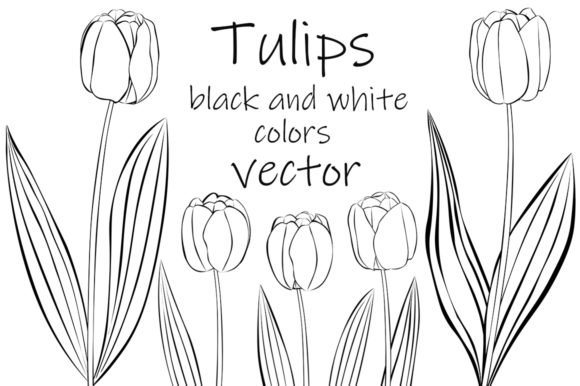
Tulips Vector: A Subtle and Romantic Embroidery Design
As a seasoned embroidery designer with years of experience in crafting custom apparel, greeting cards, and small shop merchandise, I’ve reviewed countless digital design files. Today, I’m diving into the Tulips Vector. Tulips Flower. Tulips SVG to see how it holds up under real-world scrutiny. This isn’t just about what looks good on screen—it’s about whether this design will stitch cleanly, hold its shape, and add value to finished products like tote bags, sweatshirts, or personalized gifts.
First Impressions: Mood and Aesthetic
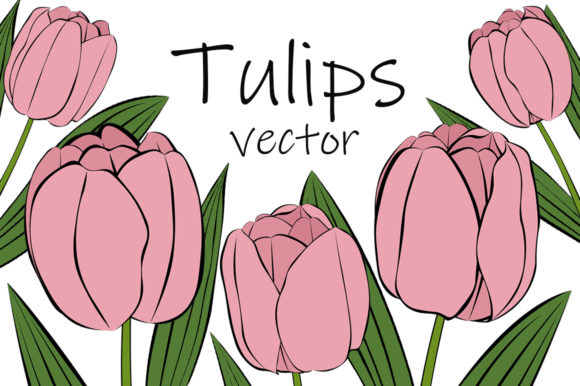
The Tulips Vector immediately sets a soft and romantic tone. The tulip is a classic symbol of springtime, elegance, and love—so if you're aiming for a design that feels fresh and feminine, this one checks all the boxes. The vector format allows for clean lines and smooth curves, which are essential for machine embroidery. What stands out most is the simplicity and subtlety of the illustration; it doesn’t scream for attention but rather invites admiration through its gentle form and balanced layout.
This design feels more like an applique design than a dense floral pattern. It has enough detail to be visually appealing without overwhelming the viewer. As such, it's perfect for smaller projects where the focus is on the design itself rather than bold, graphic statements. Think handmade product embellishments, boutique branding elements, or even a delicate touch on baby items.
Real-World Performance: Stitching Clarity and Use Cases
When evaluating any embroidery file, I always consider how it translates from digital to physical. The Tulips Flower SVG handles well across different applications. For instance, when applied to a sweatshirt embroidery project, the tulip maintains its visual integrity thanks to the clear outline and manageable fill areas. The petals can easily be stitched using satin stitch techniques, while the center might benefit from a light fill stitch or even running stitch for a softer look.
On a tote bag design, especially those made from cotton or canvas, the Tulips SVG works beautifully as a central motif or corner accent. Its size makes it suitable for mid-range hoop sizes, though I’d recommend double-checking your specific machine’s capabilities before committing. For custom apparel like t-shirts or onesies, the design brings a quiet charm that appeals to parents and gift-givers alike. It’s particularly fitting for holiday embroidery projects—like Easter or Mother’s Day—tooth towels, aprons, or nursery decor.
What I appreciate most is how versatile the Tulips Vector is in both color schemes and placement. You can use multiple thread colors for a vibrant look or go monochrome for a minimalist feel. That adaptability makes it a strong candidate for both personal and commercial embroidery projects, including digital product previews and printable mockups for Etsy sellers or craft fair vendors.
Where to Use with Care: Fabric and Hoop Considerations
Despite its elegance, the Tulips Flower design requires some thoughtful application. If you’re planning to stitch it onto stretchy fabrics like knits, be sure to adjust stitch density and use a stabilizer to prevent distortion. Thin or textured materials can also pose challenges, especially if the design relies on fine details or intricate outlines.
I’ve noticed that the stitch density in the center of the flower could potentially cause puckering if not properly managed. So, when working on a finished product like a pillow cover or a decorative patch, test the design on scrap fabric first. This step is crucial for understanding how the design behaves in real conditions, particularly when it comes to hoop size and thread colors.
Also, keep in mind that curved surfaces—like caps or hats—may require repositioning or resizing to maintain the design’s proportion and clarity. For embroidered patches, ensure that the backing material complements the tulip’s delicate structure so it doesn’t appear too stiff or lose its softness after washing.
Design Value and Customer Perception
From a business perspective, the Tulips SVG adds subtle sophistication to handmade products. It’s not flashy, but it does have a timeless quality that can elevate a basic item into something memorable. Whether you’re creating a personalized gift or a line of small shop products, this design contributes to a cohesive and professional look.
Customer trust is often influenced by the quality of the embroidery. If the machine embroidery design stitches cleanly and retains its shape over time, buyers are more likely to perceive your craft business as reliable and high-quality. The Tulips Vector supports this perception with its consistent line work and minimal risk of misregistration.
In terms of brand consistency, the design fits well with brands that emphasize nature, femininity, or seasonal themes. It can become a signature element in your collection of design assets, especially for spring-themed collections or holiday gifts. The soft pastel-like aesthetic also pairs nicely with watercolor textures or vintage-style fonts in greeting card designs or planner accents.
Practical Designer Notes for Best Results
- Test on scrap fabric: Always do a trial run before stitching on final products to assess how the design interacts with the material.
- Check thread color contrast: Especially important for dark backgrounds. A pale pink or cream tulip may disappear on black fabric unless outlined carefully.
- Review stitch density: Areas with higher stitch concentration may need thinning to avoid puckering or fabric damage.
- Confirm hoop size: Ensure the design fits comfortably within the recommended dimensions for your embroidery machine.
- Inspect small details: Look at petal edges and stem lines to confirm they’ll translate clearly in the stitch.
- Use proper stabilizer: A tear-away or cut-away stabilizer can make a big difference in maintaining the design’s shape and preventing slippage.
- Consider black and white mockups: Before choosing thread colors, visualize the design in grayscale to understand its form better.
- Compare light and dark fabric backgrounds: The same design can look dramatically different depending on the base fabric color.
- Check licensing before selling: If you plan to offer this design as part of a commercial embroidery kit or digital product, verify the license to ensure you’re compliant with usage rights.
Final Thoughts on Project Suitability
While the Tulips Vector is undeniably charming, it’s best suited for projects where the design plays a supporting role rather than being the focal point. It’s ideal for decorative accents on items like tea towels, aprons, or even nursery wall art. But it may not be the strongest choice for large-scale banners or heavily used garments that require frequent washing—those situations demand more robust stitch structures and durable materials.
For Etsy sellers and creative entrepreneurs, this design is a solid option for adding a touch of botanical beauty to listings. Just remember that customer engagement is often driven by how a design looks after stitching. If the Tulips Flower appears slightly blurry or loses definition due to improper setup, it can impact the perceived professionalism of your brand.
Overall, the Tulips SVG is a refined and romantic addition to your design library. It’s not a wild statement piece, but it’s exactly the kind of detail that can make a handmade product feel special. When used thoughtfully, it enhances the giftability of items and supports product value through its clean, artistic presentation.
Wrap-Up
So, would I recommend the Tulips Vector for a real project? Absolutely—if it aligns with your brand’s visual language and the needs of the item you’re embellishing. It’s a design that rewards attention to detail, both in its creation and application. Just don’t forget to test, adjust, and stabilize to ensure it performs as beautifully in reality as it does in concept.