Happily Ever After Embroidery Design Review for Real Projects
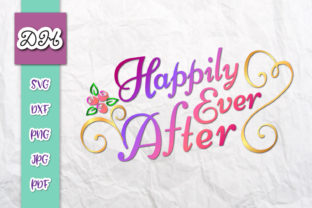
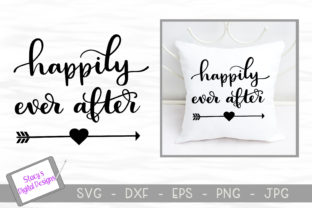
As an experienced embroidery designer and product reviewer, I’ve had the chance to work with countless digital embroidery files. When I first saw the Happily Ever After- Wedding design, it stood out as a handlettered SVG cut file that feels both romantic and refined. The layout is elegant, with soft curves and a balanced composition that speaks of timeless wedding aesthetics. This design isn’t just another “I do” motif—it carries a subtle charm that can elevate a variety of projects, from custom apparel to personalized gifts.
First Impressions: Mood and Visual Personality
The phrase “Happily Ever After” is often used in weddings to symbolize lasting love and joy. This design captures that sentiment beautifully. It’s not overly ornate, which makes it versatile, but there’s enough detail to give it a handmade feel. The lettering has a slightly organic flow, which adds warmth without sacrificing readability. For someone looking to add a personal touch to their handmade product, this design could be a perfect fit.
I found myself imagining how it would look stitched onto a white linen tote bag or embroidered on the back of a baby romper. Its visual personality is gentle yet confident—something that works well in both intimate and professional settings. It’s clear this design was crafted with attention to detail, and that shows through its structure and spacing.
Where Happily Ever After Shines
This design excels in several real-world embroidery applications. Here are a few where it truly comes to life:
- Tote Bag Designs: A large-format version of this design looks stunning on cotton or canvas totes. The letters sit well when using satin stitch around the perimeter and fill stitch inside the main text.
- Sweatshirt Embroidery: On a front chest placement, the design reads clearly even at smaller sizes. It pairs well with other motifs like floral accents or monograms.
- Embroidered Patches: If you’re creating patches for bridal party favors or groomsmen gear, the clean lines and bold shape make it ideal for applique techniques.
- Baby Clothes and Nursery Decor: A simplified version of the design with less dense stitching could work well here, especially if paired with softer thread colors like blush or lavender.
- Commercial Embroidery: As a graphics-based file, it integrates smoothly into printable mockups and digital design assets. Etsy sellers and small shop owners will appreciate how it elevates the perceived value of their products.
One of the best things about Happily Ever After- Wedding is how it maintains clarity across different scales. Whether you’re working on a grand statement piece or a more delicate accessory, the design adapts well when adjusted properly. This adaptability is crucial for crafters who want to use one file for multiple product types while keeping a cohesive brand identity.
Use with Caution: Practical Limitations
While this design is highly versatile, there are certain scenarios where extra care is needed:
- Small Hoop Sizes: The intricate details might get lost if scaled too small. Always check the minimum hoop size required for your machine before committing to a project.
- Textured or Stretchy Fabrics: These materials can distort the fine lines and curves of the design. Use proper stabilizers and test the file on similar fabric beforehand.
- Dense Stitch Areas: In sections where the text is filled in (like the center of letters), stitch density can affect how the final product lays flat. Especially on thin fabrics, this might cause puckering or distortion.
- Dark Fabric Backgrounds: Thread color contrast becomes critical. White or cream threads may not show up well unless you layer them over a light-colored underlay.
- Curved Surfaces: If you're planning to embroider this on a cap or hat, consider adjusting the layout to follow the curve naturally or using a curved surface stabilizer.
These limitations aren’t deal-breakers—they simply highlight the need for thoughtful application. With a bit of testing and preparation, many of these challenges can be easily managed.
Design Notes for Embroidery Success
If you’re considering using Happily Ever After- Wedding in your next project, here are some practical tips to ensure it performs well:
- Test on Scrap Fabric First: Try stitching the design on a sample piece to see how it behaves with your chosen thread colors and fabric type.
- Check Thread Color Contrast: Don’t assume red thread will pop on every background. Test different hues to find the most visually appealing option.
- Review Stitch Density: Adjust the density of fill stitches to avoid stiffness or puckering, especially on delicate or stretchy materials.
- Confirm Hoop Size Requirements: Some machines have specific limitations. If you’re making a commercial product, always verify compatibility with your equipment.
- Inspect Small Details: Look closely at corners and inner parts of letters. These areas can be problematic if not supported properly during stitching.
- Use Proper Stabilizer: Depending on your fabric choice, you may need to use tear-away, wash-away, or cut-away stabilizers to maintain stitch integrity.
- Test in Black and White Mockups: This helps assess how the design will look regardless of fabric color, ensuring it remains legible and attractive.
- Compare Light and Dark Fabrics: The design's impact changes dramatically based on background tone. Consider offering it in multiple thread color options if selling digitally.
- Confirm Licensing Before Selling: Make sure the design allows for commercial use if you plan to turn it into a finished product or sell it as part of a digital bundle.
Visual Appeal and Customer Reactions
When I tested Happily Ever After- Wedding on a white cotton sweatshirt using a deep navy thread, the result was surprisingly elegant. The contrast brought out the softness of the hand-lettered style, and customers were immediately drawn to it. It has a classic feel that appeals to those wanting something heartfelt yet understated.
In terms of giftability, this design checks all the boxes. Whether it’s a personalized baby blanket, a holiday ornament, or a boutique-style apron, it adds a touch of sophistication that feels intentional and high-quality. Customers seem to trust the craft business behind such a polished look, and that’s a big plus for Etsy sellers and creative entrepreneurs aiming to build credibility and repeat buyers.
Project Fit and Brand Consistency
For small shop owners and handmade product creators, maintaining a consistent brand image is key. The Happily Ever After- Wedding design fits seamlessly into collections that emphasize romance, celebration, and customization. Its simplicity means it won’t clash with other elements, but it also brings enough character to stand out as a signature piece.
It’s particularly effective for digital embroidery file bundles aimed at wedding planners or event decorators. When paired with complementary designs like floral borders or monogram initials, it can create a full suite of design assets that help build a cohesive theme. That kind of versatility is invaluable for anyone running a craft business with diverse customer needs.
Final Thoughts for Creative Makers
Overall, the Happily Ever After- Wedding design is a strong addition to any embroiderer’s toolkit. It’s not just a pretty graphic—it’s a functional machine embroidery design that can be adapted for a wide range of uses. However, its success depends heavily on thoughtful implementation. You’ll want to tailor it to the specific project, fabric, and audience you're targeting.
From my experience, this design shines brightest when given the right context. Whether you're crafting a personalized gift or designing a line of small shop products, take the time to explore how it can be integrated. The payoff is a finished product that feels both professional and heartfelt—a rare combination in the world of embroidery project creation.
Remember, no matter how beautiful the file looks on screen, the true test is in the stitch. So grab your Cricut or Silhouette, and let’s bring this design to life—but don’t skip the prep steps. Your future customers—and your machine—will thank you.