Candy Lollipop Embroidery Design Review: A Sweet Addition to Your Craft Kit
As an embroidery designer with years of experience in creating and reviewing digital embroidery files, I’ve seen my fair share of designs that promise a lot but deliver little when it comes to real-world application. The Candy Lollipop design caught my eye for its charm and versatility, but more importantly, because it’s not just another decorative graphic—it’s a thoughtful illustration that can be adapted into various handmade products with care and creativity.
First Impressions: Playful and Versatile
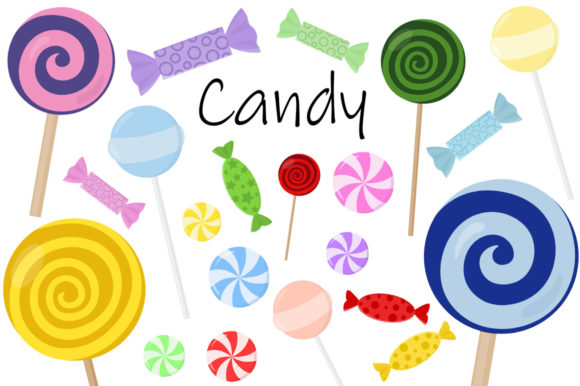
When I first opened the Candy Lollipop file, the visual personality was immediately clear. It’s a whimsical yet elegant SVG design that blends well with both romantic and subtle themes. The shape is classic, with smooth curves and a clean outline that makes it easy to scale without losing integrity. Its theme is inherently nostalgic—something that resonates across age groups and product types, from children's apparel to boutique branding.
The level of detail isn’t overwhelming, which is a plus for embroidery work. Too often, intricate illustrations translate into dense stitch areas or tiny elements that don’t hold up on fabric. In this case, the lollipop features are balanced enough to maintain clarity while still offering enough character to stand out. This makes it ideal for projects like sweatshirt embroidery, tote bag designs, or even as an applique element in a larger composition.
Real-World Use Cases: Where Candy Lollipop Shines
I recently used the Candy Lollipop design for a custom sweatshirt order. The client wanted something fun and feminine for their daughter’s birthday gift. After some tweaking of stitch density and thread colors, the final result was a soft pastel-toned lollipop that looked just as good stitched on cotton-blend fabric as it did in the original digital format. The design didn’t overpower the garment and instead added a sweet, understated touch that elevated the overall look.
Another instance was incorporating the lollipop into a set of handmade baby items. Here, the simplicity of the design worked well with soft, muted tones and gentle stitching. The result felt warm and approachable, perfect for nursery decor or personalized gifts. I also tested it on a pillow cover for a holiday-themed Etsy listing, where it paired beautifully with other candy-inspired graphics and text elements.
Candy Lollipop has potential in commercial embroidery too. For small shop owners looking to create branded merchandise, this design could serve as a signature motif for packaging, greeting cards, or even aprons in a confectionery-themed boutique. Its adaptability allows it to function as part of a cohesive brand identity, especially when paired with complementary fill stitches or satin borders.
Design Performance Across Projects
- Custom Apparel: Works well on t-shirts, sweatshirts, and hoodies. Consider using it as a central graphic or part of a larger layout.
- Baby Clothes: Gentle and non-threatening, suitable for onesies, bibs, and hats. Just ensure you test on the actual fabric before mass production.
- Patches & Appliques: The design lends itself nicely to embroidered patches, particularly for craft fairs or DIY kits. Satin stitch around the edges gives it a polished finish.
- Home Décor: Great for tea towels, pillow covers, and blankets. The visual appeal remains consistent, and the design feels at home in a cozy setting.
- Digital Mockups: As a printable mockup asset, it looks professional and adds a creative flair to your product previews, helping buyers visualize the finished item.
Where to Use With Caution
While the Candy Lollipop design is flexible, there are certain scenarios where extra attention is needed to avoid issues. For example, if you're working with small hoop sizes, the fine details may get lost or cause distortion. I recommend checking the recommended minimum dimensions and scaling accordingly.
Textured fabrics such as denim or canvas might challenge the smoothness of the lollipop’s curves. In these cases, adjusting the stitch type or using a stabilizer becomes crucial. Similarly, stretchy materials like spandex blends require careful handling to prevent puckering or misalignment after washing.
If you're planning to embroider on dark fabric, thread color contrast will play a big role. While the design doesn’t specify thread palettes, I advise selecting light or pastel shades for better visibility. Always test the design on scrap fabric first, especially if you’re using multiple thread colors or blending techniques.
Designer Notes: Practical Tips for Best Results
- Test on Scrap Fabric: Before committing to a full project, try stitching the design on a sample piece of your intended fabric to see how it holds up.
- Check Thread Color Contrast: Ensure the chosen thread colors complement the fabric and enhance the design’s visibility.
- Review Stitch Density: Adjust fill stitches or running stitches depending on the fabric weight and desired texture.
- Confirm Hoop Size: If the file doesn’t list specific requirements, start with a medium-sized hoop and adjust based on your trial results.
- Inspect Small Details: The lollipop has delicate parts that may need reinforcement, especially if the fabric is thin or the item will be washed frequently.
- Use Proper Stabilizer: Avoid puckering by selecting the right stabilizer—especially important for stretchy or layered garments.
- Test in Black and White: This helps identify how the design will look in grayscale, useful for monochrome thread sets or fabric choices.
- Compare Light and Dark Fabrics: See how the design behaves under different lighting conditions and backgrounds.
- Check Licensing Terms: If you plan to use this in commercial projects or digital product sales, confirm the licensing agreement to stay compliant.
Impact on Product Value and Customer Engagement
What stands out most about Candy Lollipop is its ability to subtly elevate a product’s aesthetic. When used correctly, it adds a sense of playfulness and charm without being over the top. For hobbyists and makers, this means the finished product feels more intentional and professional. For Etsy sellers and small shop owners, it contributes to a stronger brand image and increases buyer engagement through visual appeal.
In terms of stitching clarity, the design performs admirably. The clean lines make it easy to follow during embroidery, reducing the risk of errors or misaligned sections. However, due to the curved nature of the lollipop, precise tension control is necessary to avoid bulging or uneven stitch coverage.
As a design asset, Candy Lollipop brings value to digital scrapbooking and advertising cards. Its soft, inviting look fits perfectly into layouts that aim to evoke warmth or nostalgia. For those creating personalized gifts, it offers a unique touch that customers appreciate—especially when paired with names or dates in matching fonts.
Final Thoughts: A Thoughtful Choice for Creative Projects
The Candy Lollipop design is more than just a cute graphic—it’s a versatile and well-balanced illustration that can contribute meaningfully to a wide range of embroidery projects. Whether you're crafting for yourself, your family, or selling on platforms like Etsy, this design provides a foundation for creating products that feel handcrafted yet professional.
It’s important to remember that every embroidery file needs to be treated with consideration for the fabric, machine settings, and end-use scenario. The Candy Lollipop is no exception. By taking the time to test, adjust, and refine, you’ll unlock its full potential and deliver a finished product that customers love and trust.
In short, if you're looking for an illustration that brings sweetness and style to your handmade products, Candy Lollipop is worth adding to your collection. Just pair it with smart design practices and let your creativity take the lead.